

Hey there, folks! As a supplier of Slim Fixed TV Wall Mounts, I often get asked about the load-bearing capacity of these nifty little devices. So, I thought I'd sit down and write a blog post to clear up any confusion and give you all the lowdown on what you can expect from a typical slim fixed TV wall mount.
What's a Slim Fixed TV Wall Mount Anyway?
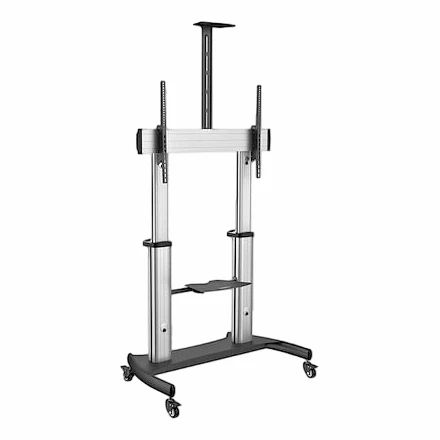
Before we dive into load-bearing capacity, let's quickly go over what a slim fixed TV wall mount is. It's a type of bracket that attaches your TV directly to the wall, making it sit flush against the surface. This gives your room a clean, sleek look and saves a bunch of space compared to other mounting options like TV Floor Stand and Cart. Since it's fixed, it doesn't have any moving parts, which means it's super simple and reliable.
Why Load-Bearing Capacity Matters
The load-bearing capacity of a TV wall mount is crucial. You wouldn't want your shiny new TV crashing to the floor, right? That's not only a huge financial loss but could also be dangerous. The load-bearing capacity tells you how much weight the mount can safely hold. If you exceed this limit, the mount might fail, causing your TV to fall.
Factors That Affect Load-Bearing Capacity
Several things can influence the load-bearing capacity of a slim fixed TV wall mount. Let's take a look at some of the key ones:
1. Materials Used
The materials play a big role. Most high-quality slim fixed TV wall mounts are made from steel or aluminum. Steel is known for its strength and durability, so mounts made from it usually have a higher load-bearing capacity. Aluminum, on the other hand, is lighter but still quite strong. It's a popular choice for mounts that need to be lightweight while still being able to support a decent amount of weight.
2. Design and Construction
The design of the mount is crucial. A well-designed mount will distribute the weight of the TV evenly across the wall and the mounting points. This reduces stress on any one part of the mount and allows it to handle more weight. For example, mounts with multiple attachment points or reinforced brackets are generally stronger.
3. Wall Type
The type of wall you're mounting your TV on matters a lot. If you're mounting on a solid concrete or brick wall, you're in luck. These walls can support a lot of weight and provide a sturdy base for your mount. However, if you're mounting on a drywall, you'll need to be more careful. Drywall is not as strong on its own, so you'll likely need to use wall anchors or find the wall studs to ensure the mount can hold the weight of your TV.

Typical Load-Bearing Capacity of Slim Fixed TV Wall Mounts
Now, let's get to the main question: what's the load-bearing capacity of a typical slim fixed TV wall mount? Well, it can vary quite a bit. Generally, you'll find that most slim fixed TV wall mounts can support TVs weighing anywhere from 20 to 100 kilograms (44 to 220 pounds).
For smaller TVs, like those in the 32 - 40 inch range, a mount with a load-bearing capacity of around 20 - 30 kilograms (44 - 66 pounds) should be sufficient. These mounts are usually more lightweight and less expensive.
If you have a larger TV, say 50 inches or more, you'll want a mount with a higher load-bearing capacity, typically 50 kilograms (110 pounds) or more. Some heavy-duty slim fixed TV wall mounts can even support TVs weighing up to 100 kilograms (220 pounds), which is great for those massive 70+ inch TVs.
How to Choose the Right Mount for Your TV
When you're in the market for a slim fixed TV wall mount, there are a few things you should keep in mind to ensure you choose one with the right load-bearing capacity:
1. Check Your TV's Weight
The first step is to find out how much your TV weighs. You can usually find this information in the TV's user manual or on the manufacturer's website. Make sure to choose a mount with a load-bearing capacity that's higher than your TV's weight. It's always better to have some extra capacity for safety.
2. Consider the Size of Your TV
Bigger TVs are generally heavier, so you'll need a stronger mount. As a rule of thumb, larger TVs require mounts with higher load-bearing capacities. If you're not sure, you can always consult with a professional or the mount manufacturer.
3. Think About Future Upgrades
If you think you might upgrade your TV in the future, it's a good idea to choose a mount with a higher load-bearing capacity than you currently need. This way, you won't have to replace the mount when you get a new, heavier TV.
Comparing with Other Types of TV Mounts
Slim fixed TV wall mounts are just one option out of many. Let's take a quick look at how they stack up against some other popular types of TV mounts in terms of load-bearing capacity:
Adjustable-tilt Mount
These mounts allow you to tilt your TV up or down, which can be great for adjusting the viewing angle. They usually have a similar load-bearing capacity to slim fixed mounts, but the moving parts can add a bit of complexity.
Tilting and Swiveling Mount
These mounts offer even more flexibility, allowing you to tilt and swivel your TV. However, the additional moving parts can sometimes reduce the load-bearing capacity slightly compared to a fixed mount.
Long Articulating TV Mount
These mounts are great for getting your TV out from the wall and adjusting it to different positions. They tend to have a higher load-bearing capacity to support the extended reach and the weight of the TV at different angles.
Conclusion
So, there you have it, folks! The load-bearing capacity of a typical slim fixed TV wall mount can vary depending on the materials, design, and wall type. But in general, you can expect it to support TVs weighing between 20 and 100 kilograms. When choosing a mount, make sure to consider your TV's weight, size, and any future upgrades.
If you're in the market for a high-quality Slim Fixed TV Wall Mount, I'd love to help you find the perfect one for your needs. Whether you have questions about load-bearing capacity or any other aspect of TV mounting, feel free to reach out and start a conversation. Let's work together to get your TV mounted safely and securely!
References
- General knowledge about TV wall mounts and their load-bearing capacities from industry experience.
- Information from various TV and mount manufacturers' product specifications.